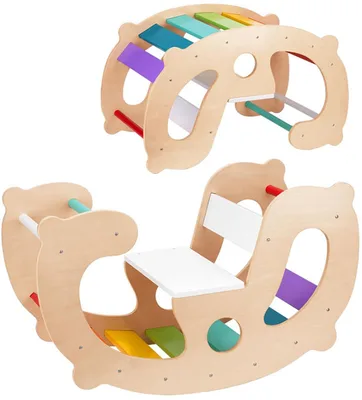
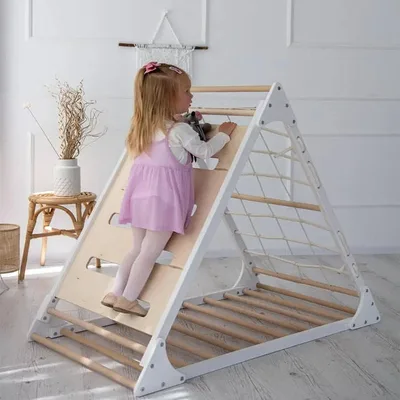
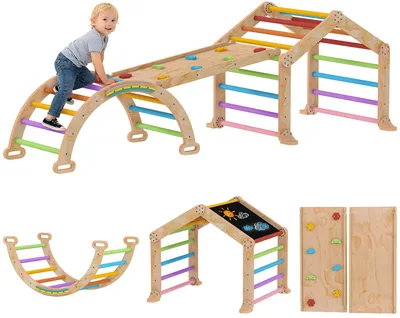
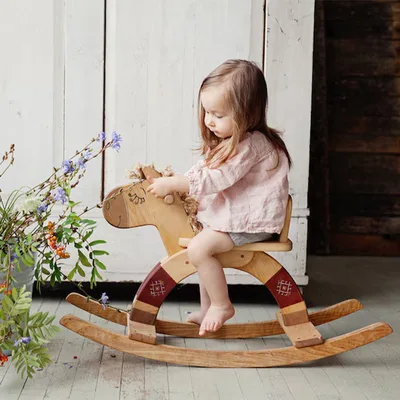
Outdoor wooden toys live outside, so the buying question changes from finish quality to weather finish, hardware and stability. A garden toy is judged on its second summer, not its first.
What buyers order in this category
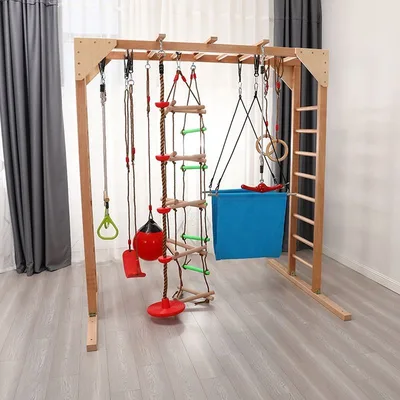
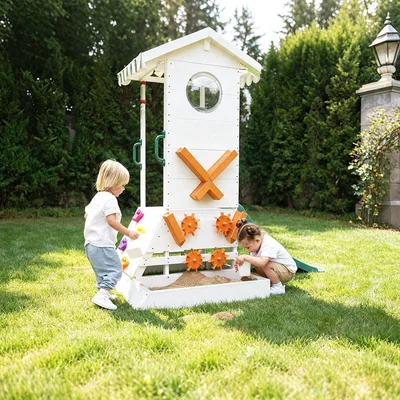
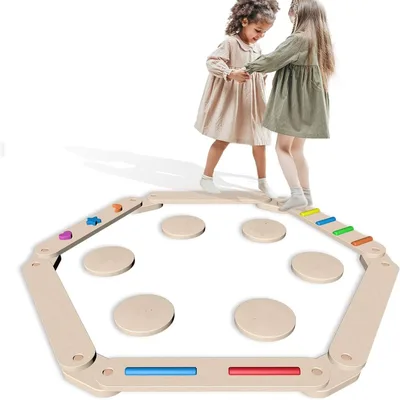
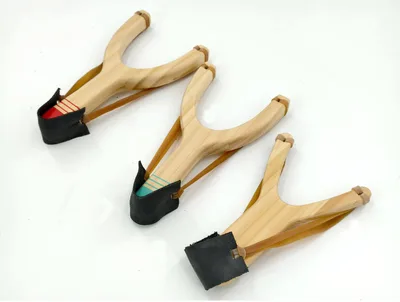
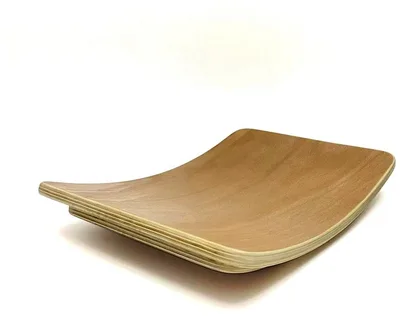
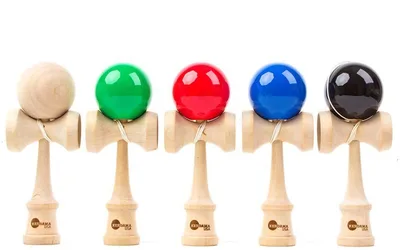
The range covers balance boards, mud kitchens, playhouses, climbing frames, sandpits, garden games such as skittles and quoits, outdoor tables and water trays. Garden centres buy seasonally; schools buy playhouses and sandpits in twos and threes; hotels and attractions buy several units of one item. Confirm per model.
Seasonality sets the calendar. A northern-hemisphere garden buyer wants stock in late winter, which puts the order in the Chinese New Year window; an April order is buying for next season.
Assembled or flat-packed matters more here than elsewhere, because the cartons are large and heavy. Ask whether the item ships as a kit with labelled parts and a hardware bag, and how many cartons one unit makes. supplier evaluation covers how to compare the answers.
How it is made and what to check
Outdoor pieces are usually pine, fir, eucalyptus or acacia, finished with an exterior stain or oil and assembled with plated or stainless hardware. Species and protection decide how long the piece lasts; ask for both in writing.
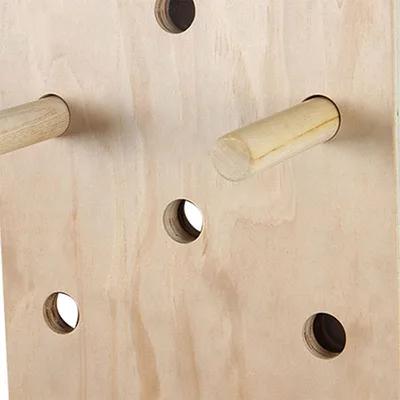
Check the cut edges and the joints. End grain is where water enters, so look for a sealed or oiled edge on every leg and rail, and check the joint where two pieces meet: a gap holds water. Stainless screws and bolts cost more and rust less; zinc-plated screws in a damp garden are a one-season decision.
Stability is the safety question. Set the sample on a flat floor, push the top corner sideways and lean a known weight on the rail. A tall frame or playhouse needs ground anchors and a wider base; a sandpit lid needs a hinge that does not trap fingers.
Leave a sample outside for two weeks, in rain if you can, then inspect the joints, the hardware and the sanded surfaces for raised grain and splinters.
MOQ, sampling and packing
MOQ tracks the style, the size and the finish colour. A stock item commonly starts at 20–100 pcs; a custom stain or printed carton pushes it to 300–1,000 pcs; a new shape or tooling typically starts at 1,000–3,000 pcs. A second size is usually a new tooling, not a variation.
Sampling runs to two rounds: frame and hardware first, then a production sample with the finish and carton. Weather-test the second sample yourself; Payment & shipping explains the freight and documents that come with heavy cartons.
Packing carries the weight. Ask for a double-wall carton, corner protection and banding, plus a pallet plan and the carton count per unit; hardwood in a thin carton arrives with split corners. Check the hardware bag and instructions in every unit. Planning a mixed container: CBM, carton data and a… shows how to plan the load.
How to compare two suppliers in this category
Set the same drawing, species and hardware spec for both sides, then weather-test both samples. The commonest trap is a sample built with a heavier base and a stainless screw pack, while the bulk ships with a lighter frame and plated screws. Ask for the hardware list and the base dimensions in the purchase order.
- Species and protection — the species, the exterior finish system and the re-coat interval.
- End-grain sealing — every cut edge, and how the joint faces are protected.
- Hardware — stainless or plated, screw and bolt sizes, washers and any anchor kit.
- Stability — footprint, bracing, a sideways push test and the ground anchors.
- Assembly — part labelling, hardware bag, instructions and whether a spare is included.
- Packing — carton grade, corner protection, banding and the pallet plan.