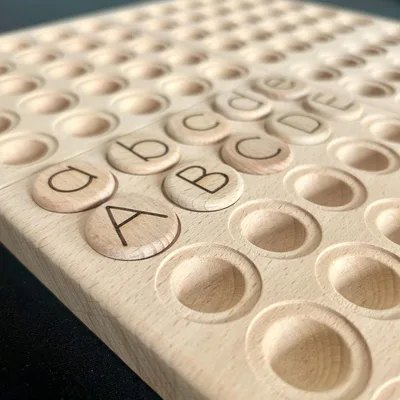
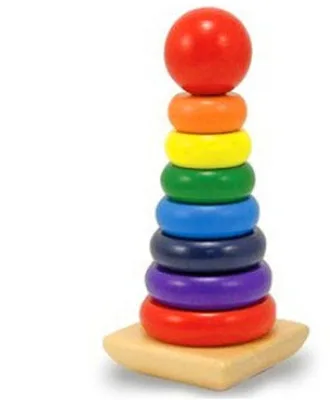
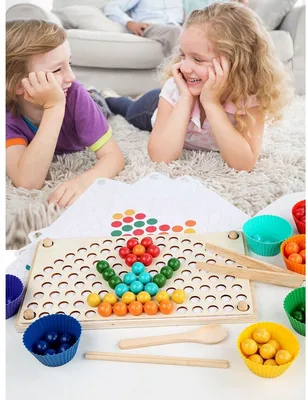
Natural and open-ended ranges are sold on feel, grain and the absence of a finish. That makes them the hardest category to specify in an email and the easiest to check in the hand.
What buyers order in this category
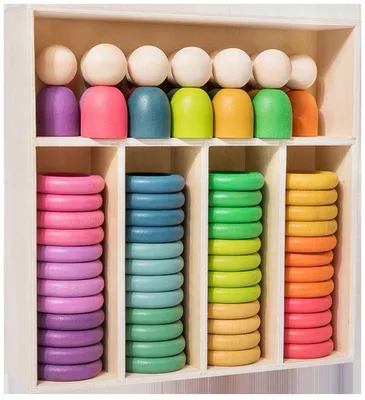
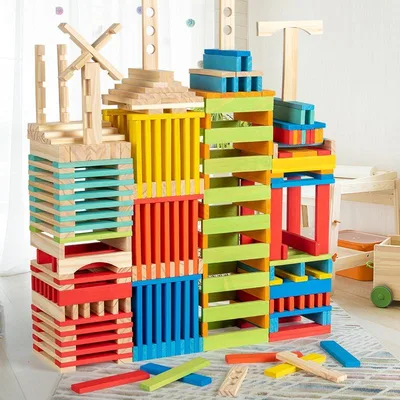
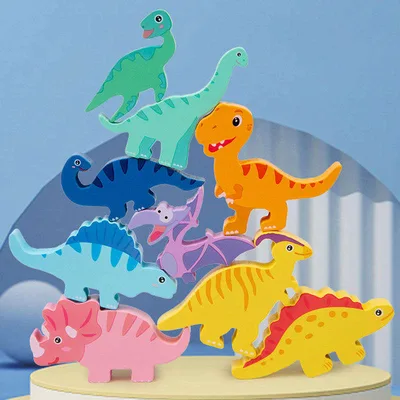
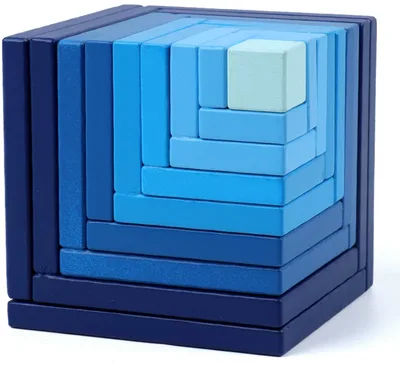
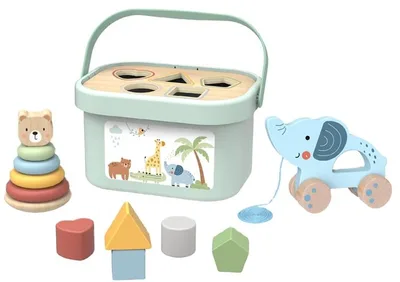
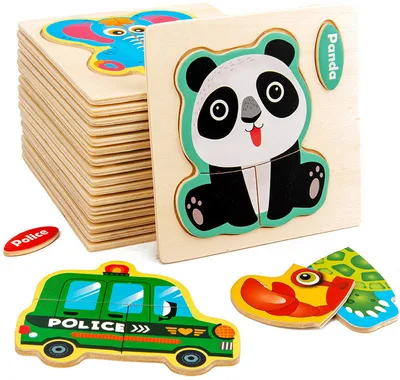
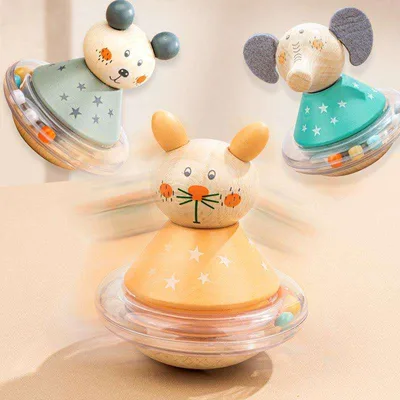
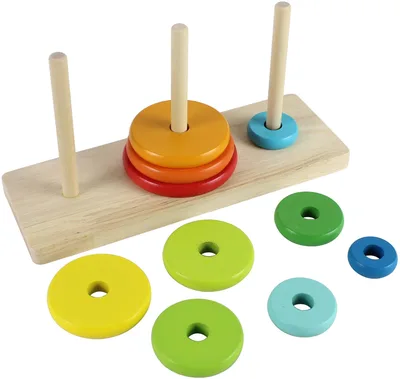
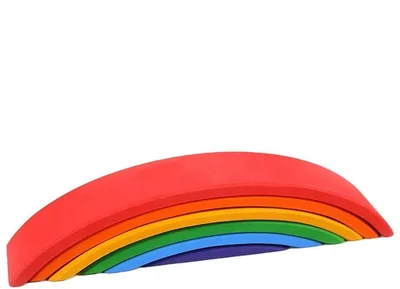
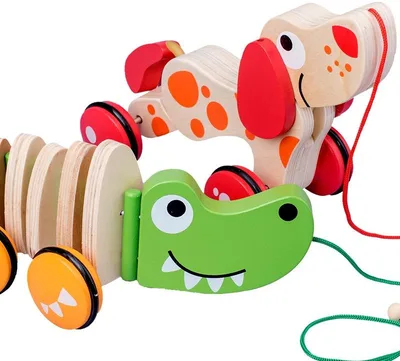
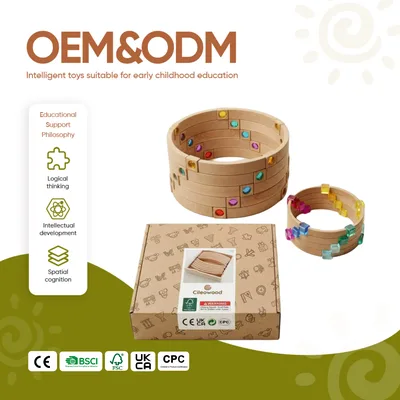
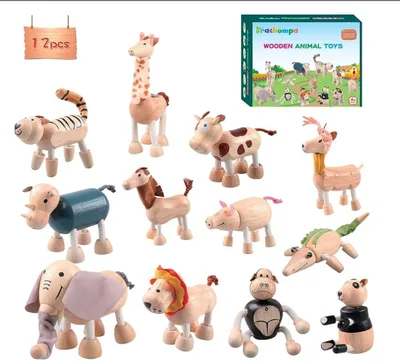
The range covers tree blocks, rainbow stackers, peg dolls, nesting bowls, loose-parts sets, balance boards, wooden animals and sorting trays. A specialist retailer buys 8–12 styles; a kindergarten buys loose parts by the set; a gift buyer wants a boxed set. First orders are commonly 20–100 pcs per style. Confirm per model.
The set composition is the product: a 24-piece loose-parts set and a 30-piece one are different items, and so are a six-arc and a twelve-arc stacker. Write the count and piece sizes into the order.
Natural variation is part of the offer, so agree the tolerance. Ask for the species and a photo of a production batch, because a set in three wood tones sells as seconds. supplier evaluation covers how to compare the answers.
How it is made and what to check
Pieces are usually unstained hardwood or pine, sanded through several grits and finished with plant oil or beeswax, or left raw. The sanding is the finish: ask how far the workshop goes, commonly 180 then 240, and check the end grain, because a piece that feels silky on the face can be fuzzy at the end.
Check the surface with a wet thumb: raw wood raises grain, and an oiled piece should feel dry rather than tacky. Look for squeeze-out at every glue line and ask which glue is used, because a glue line here cannot be hidden.
Knots and grain are judged, not banned: a tight knot is part of the look, a loose knot is a hole, and a filled knot shows under oil. Ask what the workshop does with a knot and a crack.
Small parts are the age question: a peg doll or loose piece that fits the small-parts cylinder used in EN 71-1 belongs above 36 months unless fixed to a larger body. Check the smallest piece.
MOQ, sampling and packing
MOQ tracks the style, the set composition and the finish. A stock style commonly starts at 20–100 pcs; an engraved or printed piece pushes it to 300–1,000 pcs; a new shape or tooling typically starts at 1,000–3,000 pcs. Natural sets are often counted by hand, which is why the quantity can be lower.
Sampling runs to two rounds: shape and finish first, then a full set from the batch you will ship. Sign off the set on grain and colour, not only on shape; Licences & reports covers the report and document side.
Packing is a tension. A paper band or board box matches the product but protects less than foam, so ask for corner protection and a drop test. Keep plastic out if that is the brand promise, but check the carton survives the pallet. The price structure of a wooden toy: material… shows how much of the cost is sanding labour.
How to compare two suppliers in this category
Set the same piece list, species and finish for both sides, then handle both samples blind. The commonest trap is a sample cut from a pale, straight-grained board while the bulk comes from mixed stock, so the set no longer reads as one range. Agree species and a colour tolerance from a batch photo.
- Species and grain — the species, the colour range accepted, what is rejected.
- Sanding and finish — grits used, oil or wax type, and whether the end grain is sanded.
- Glue and joints — glue type and whether squeeze-out is cleaned before finishing.
- Knots and cracks — what is filled, what is rejected and what is accepted as character.
- Set composition — the count and the smallest piece, against the age grade.
- Packing — paper or board pack, corner protection, drop test.