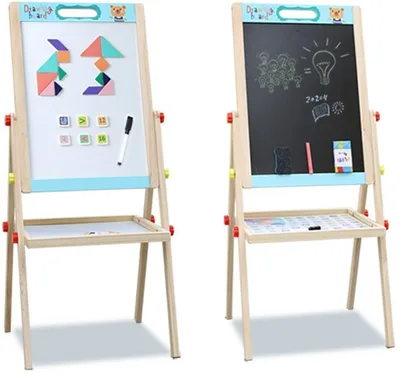
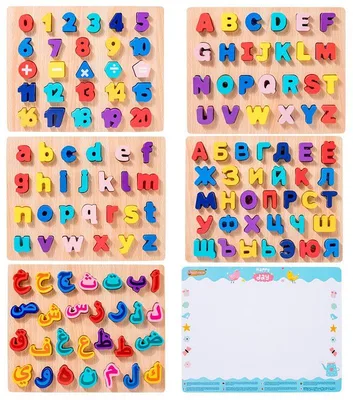
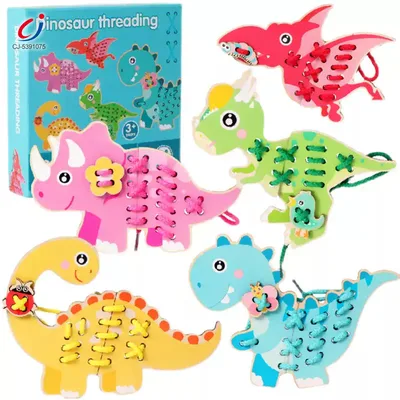
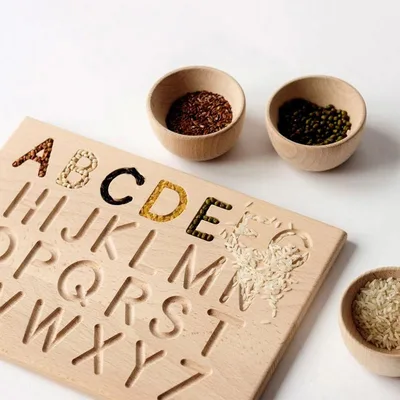
Art and craft goods are bought for classrooms, gift ranges and home use, and each channel punishes a different fault. A retail buyer looks at the surface and the box; a school buyer tests the easel every day.
What buyers order in this category
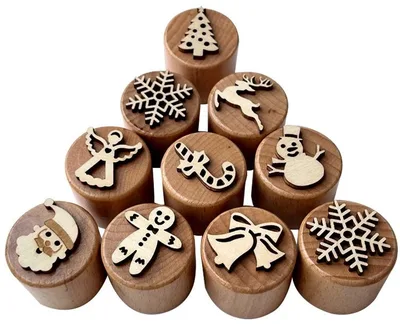
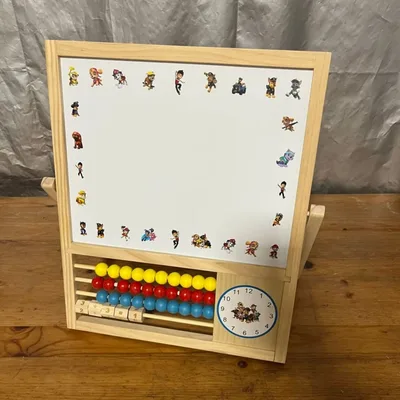
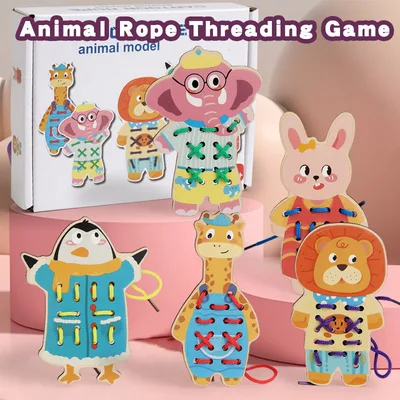
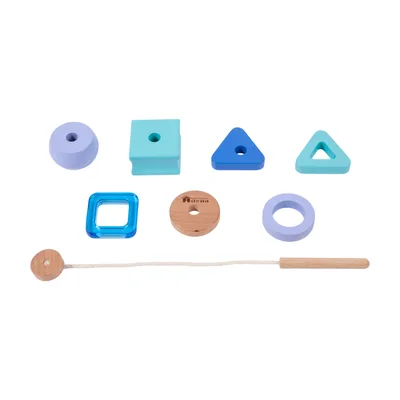
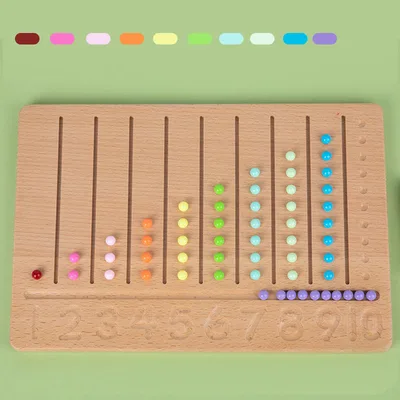
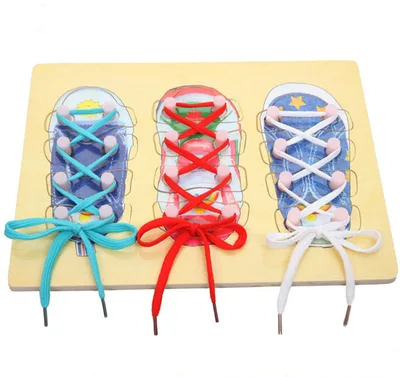
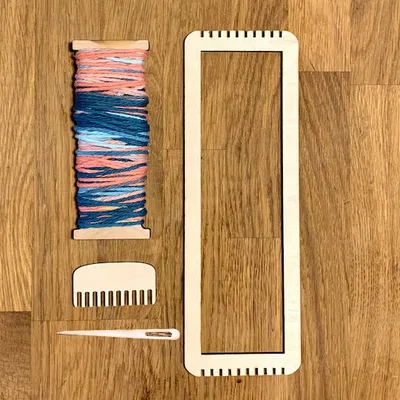
The range covers children's easels, paint pots and brush holders, wooden stampers and rollers, chalkboards and whiteboards, drying racks, art tables, threading kits and craft tool sets. Schools buy easels and drying racks in 6–12 units; a retailer buys boxed craft kits; a distributor mixes boards, easels and small kits on one pallet. Confirm per model.
The easel format drives the order: a tabletop easel and a full A-frame are different cartons, and an adjustable height adds a mechanism. A chalkboard to whiteboard change is a new board, not a new coat of paint, so ask whether the same frame carries both surfaces.
Reorders come from replacement and term dates: a school buying 12 easels reorders racks and paint pots, so ask whether accessories can be ordered at the low quantity. supplier evaluation covers how to compare the answers.
How it is made and what to check
Easels are usually pine or MDF with a hinged A-frame, a spreader or brace, a paint tray and a surface. On a sample, open the frame, lock it and push the top corner sideways; a wobble at the hinge or spreader shows before a child leans on it. Load the tray and check that the frame does not creep.
Look at the mechanism: hinges screwed into solid wood rather than MDF end grain, and a locking pin that holds without play. Check edge banding or paint on every cut edge, and check the surface: chalkboard paint needs cure time, so ask the cure time and how the face is protected in the carton.
Pull each stamper and roller handle to test the fixing; beads raise the small-parts question for under-36 months; paint pots need a lid that fits after the first wash.
MOQ, sampling and packing
MOQ tracks the style, the surface and the box. A stock item commonly starts at 20–100 pcs; a custom print, colour or box pushes it to 300–1,000 pcs; a new frame or tooling typically starts at 1,000–3,000 pcs. A second surface on the same frame is a separate board run.
Sampling runs to two rounds: frame and mechanism first, then a production sample with the surface and carton. Build the easel from the flat pack; Factory audit shows how to check who makes the frame and who finishes it.
Packing is where easels lose money. The carton is long and heavy at one end, so ask for corner protection and a double-wall carton. Flat-packed easels take less volume but put assembly on your customer; say which you are buying in the purchase order. 42 questions to ask on a wooden toy factory audit has the questions for a finishing subcontractor.
How to compare two suppliers in this category
Give both sides the same frame drawing, surface and height options, then build and push both samples. The commonest trap is a sample with a heavier hinge and brace than the bulk, and the substitution shows only when a child leans on the easel. Ask for the hardware spec in writing, photograph the mechanism, and check the first carton against the photo. Ask about:
- Frame and mechanism — hinge type, spreader or brace, locking pin and how each is fixed.
- Surface — chalkboard or whiteboard, the coating system, cure time and carton protection.
- Stability — footprint, a sideways push at the top, and a loaded tray test.
- Flat-pack fit — hole alignment and instructions, checked by building one from the bulk.
- Small-part fixings — how handles, pegs and knobs are fixed, and whether they survive a pull.
- Packing — carton grade, corner protection, drop test on a full carton.