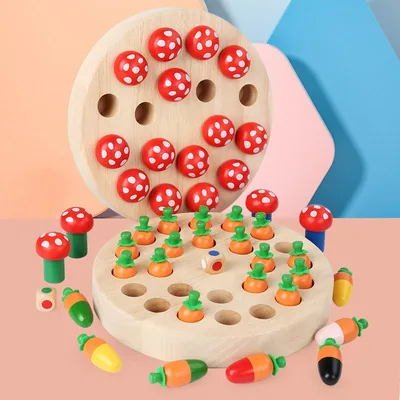
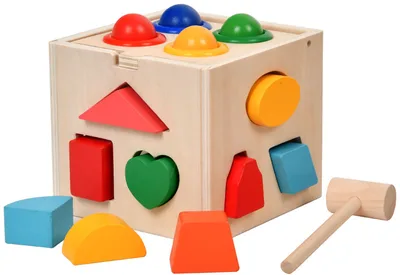
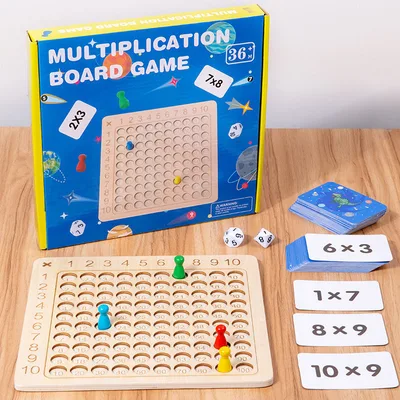
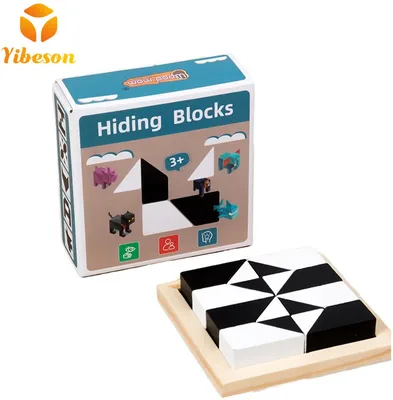
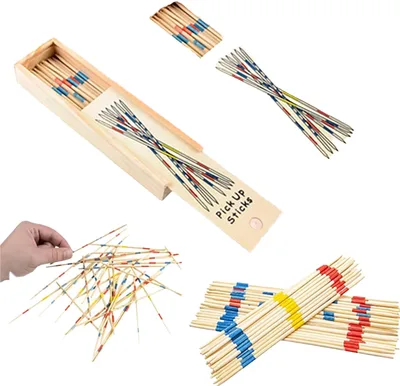
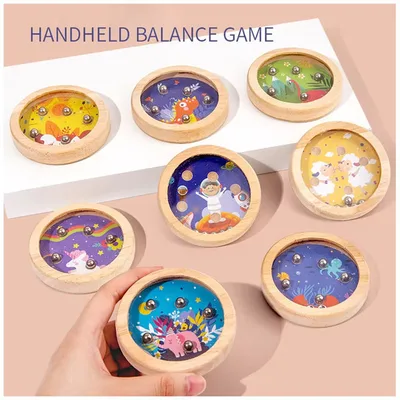
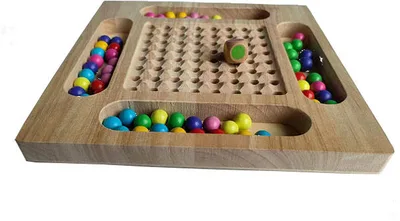
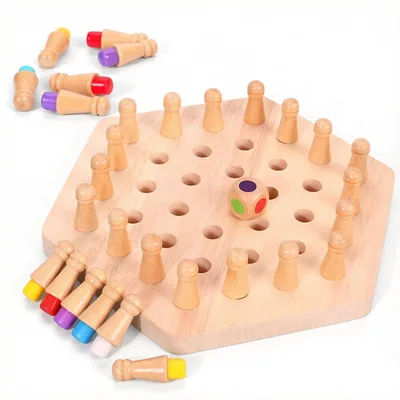
Brain and travel games sell on repeat purchase and low unit value, which puts piece control and rules printing ahead of everything else. A game that ships with 47 of 48 pieces is a return.
What buyers order in this category
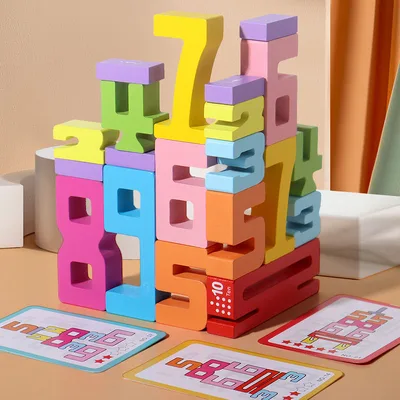
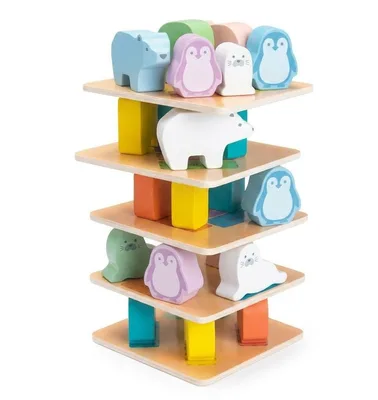
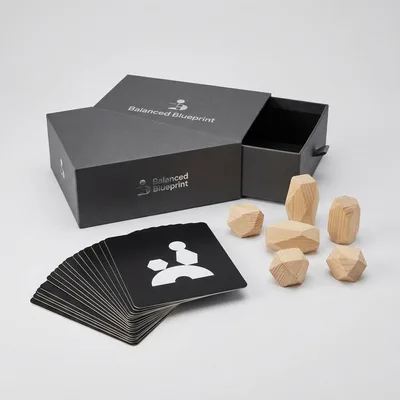
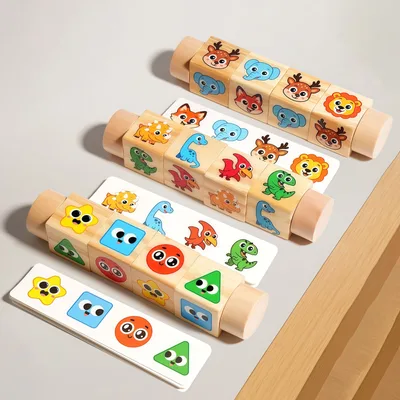
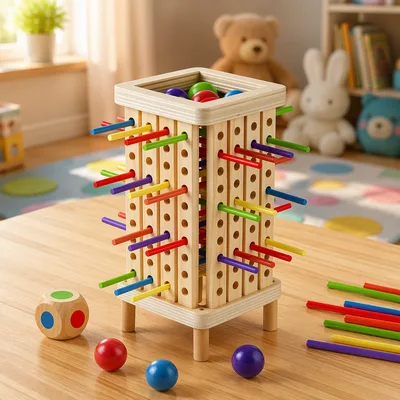
The range covers memory and matching pairs, dominoes, dice games, tic-tac-toe, tangram, solitaire, balance games, block-stacking tower games and travel games with magnetic pieces. It is a wide, shallow category: a retailer tests four to six titles, a distributor carries 20 or more, and the first order per title is commonly 20–100 pcs. Confirm per model.
Because volume per title is low, the box and rules sheet carry much of the cost and almost all of the reorder risk. Ask whether a title can be repeated at the low quantity once the box plate exists.
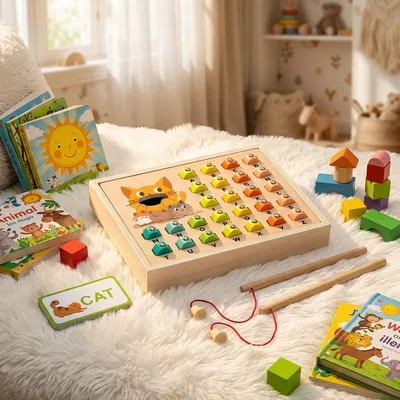
Travel formats are a different construction, not a smaller one: a magnetic board needs a magnet retention check. supplier evaluation covers how to compare those answers.
How it is made and what to check
Pieces are turned or cut and sanded; discs are printed on both faces; dice are drilled and filled; boards are grooved and printed; the box is rigid board with an insert. Piece uniformity is the quality signal, because 48 discs with three thick ones will not deal evenly.
Check the sample by playing the game. Count the pieces against the rules, deal a hand, roll the dice on a hard table and watch how they settle. Look at pip depth and paint fill, the printed face, and whether every piece matches in thickness.
Read the rules as a customer would. A rules card is a printed product with its own paper grade, folding and language, and a translated card is the weak point. Check the insert too: a loose insert lets pieces rub.
For travel games, pull the magnet by hand and confirm it cannot come out; the small-parts question applies to anything a child can put in a mouth.
MOQ, sampling and packing
MOQ tracks the title, the box and the rules card. A stock title commonly starts at 20–100 pcs; a custom box or rules card pushes it to 300–1,000 pcs; new tooling typically starts at 1,000–3,000 pcs. A second language on the card is a new print run.
Sampling runs to two rounds: pieces and box first, then a filled sample with the card you will actually ship. Play the sample; if the rules confuse you, they will confuse the buyer. Common pitfalls lists the substitutions that appear at this stage.
Packing is a box problem. Ask for the board grade, insert fit, shrink wrap and barcode, plus the piece count on the packing list. A rigid box crushes at the corner before the contents, so drop-test a carton, not a sample box.
How to compare two suppliers in this category
Send both sides the same title list, piece count and rules text, then count and play both samples. The commonest trap is the rules card: the sample arrives with a clean English card and the bulk ships with an older bilingual sheet or a translation the factory wrote itself. Ask who translates, sign off the exact text, and compare the first carton against it. Wooden toy supplier evaluation checklist (58 points) turns these checks into a reusable list.
- Piece uniformity — thickness and diameter across the set, and how the workshop checks it.
- Dice and pips — cube squareness, pip depth and paint fill, checked on a hard table.
- Rules card — who writes and translates it, paper grade, and whether a language change is a new run.
- Box and insert — board grade, insert fit, lid print and shrink wrap.
- Piece count and spares — how the count is verified and whether spare pieces can be supplied.
- Travel hardware — magnet retention and hinge life on a folding board.