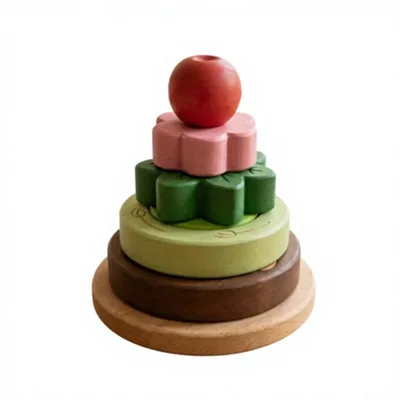
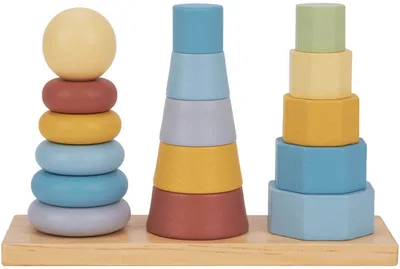
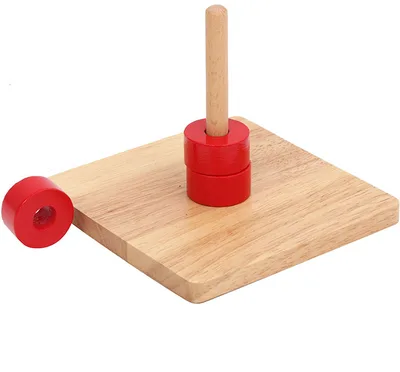
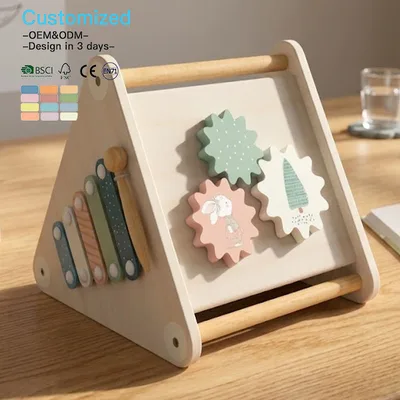
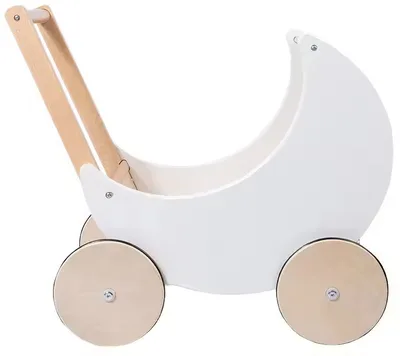
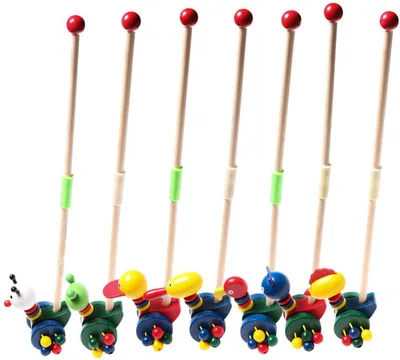
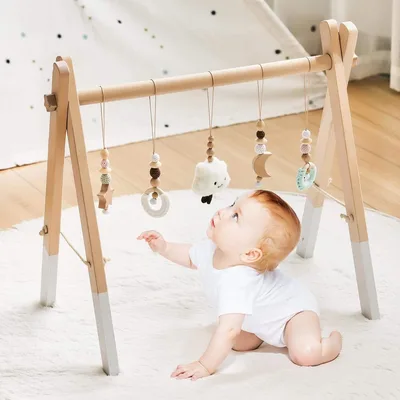
Baby and toddler wooden toys are bought on finish and paperwork before style. The parts are small, the surfaces go in a mouth, and one rough edge decides whether a reorder follows.
What buyers order in this category
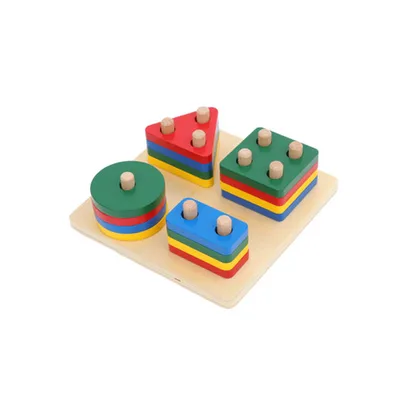
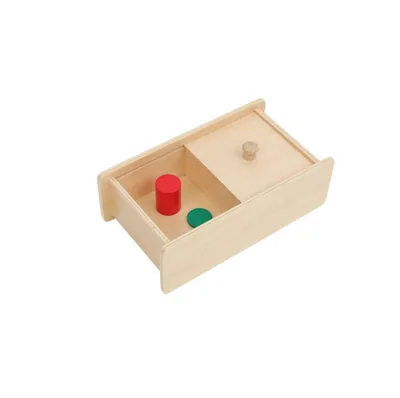
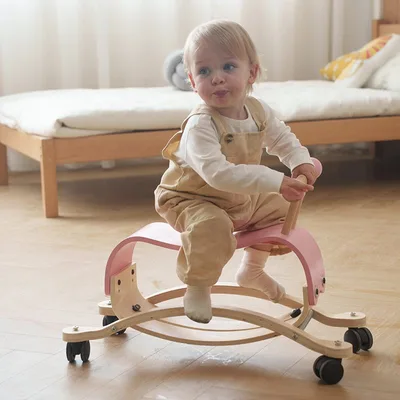
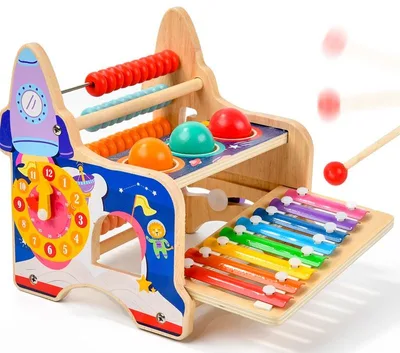
The range covers teethers, rattles, stacking rings, first blocks, shape sorters, bead mazes and pull-along animals. First orders are commonly small and broad: three to six styles, 20–100 pieces per style and per colour, often gift-boxed or sleeved. Confirm per model; a stock item and a gift-boxed one behave differently.
Reorders follow the retail calendar. A gift buyer reorders three weeks before a season; a distributor reorders the colour that sold out. Ask how long a colour stays and what the repeat minimum is.
Colour and print are the order-shape variable: natural, pastel and primary palettes are separate paint batches, and a printed box or heat-transfer logo carries its own MOQ. supplier evaluation covers how to compare those answers.
How it is made and what to check
Most of the range is beech, maple or rubberwood, turned or CNC-cut, sanded in two or three grits, then painted or oiled. On a sample, check the radius on every edge, the inside of a ring cut, the rattle head joint, and the wood around a knot.
Three faults cannot be fixed after shipment: raised grain under the first coat, paint sitting in a sanding scratch, and a solvent smell when the carton opens. Ask which grit the workshop stops at and whether finishing is in-house or subcontracted. Ask for the report page covering the coating, not the cover page: How to read and verify EN 71 and ASTM F963 test reports.
Small parts set the age grade. An under-36-month item should have nothing that fits the small-parts cylinder used in EN 71-1, no detachable bead or bell, and no cord that can catch. For teethers, ask what the wood is sealed with. Report status belongs in the quotation per model; Licences & reports lists the pages to ask for.
MOQ, sampling and packing
MOQ is set per style, per colour and per print. Stock models commonly start at 20–100 pcs; a new print, gift box or carton mark pushes the run to 300–1,000 pcs; a new shape typically starts at 1,000–3,000 pcs. Repeat orders can run below MOQ when tooling exists; ask for the rule in writing.
Sample rounds are usually two: a stock sample for shape and finish, then a pre-production sample in the chosen colour with retail packaging. Stock samples take 3–7 days, customised samples 10–15 days, a new shape 20–30 days. Keep one signed-off sample sealed and dated.
Cartons are light but carry many pieces, so the colour assortment belongs on the packing list. Ask for a polybag warning where bags are used, and check a packed carton rather than a loose piece.
How to compare two suppliers in this category
Send both sides the same three styles and the same sample brief, then compare the finish before the paperwork. The commonest spec trap is signing off a sample hand-finished in the sample room while the order runs on the production line; ask whether the sample came off the same line and finishing batch as the bulk. Ask about:
- Wood species and drying — species, moisture target (8–12% is usual) and board storage, not just "hardwood".
- Sanding and edge radius — which grits, what radius, the same edge photographed on both samples.
- Finish and cure — paint or oil family, coat count and cure time; a faster cure is not automatically better.
- Small-part fixing — how a bead, bell or knob is fixed, and whether it is checked on the line.
- Batch colour control — batch reference and a colour chip; a pastel range split over two batches is the usual complaint.
- Packing — gift-box board grade, polybag and carton count; compare a packed sample, never a bare one.