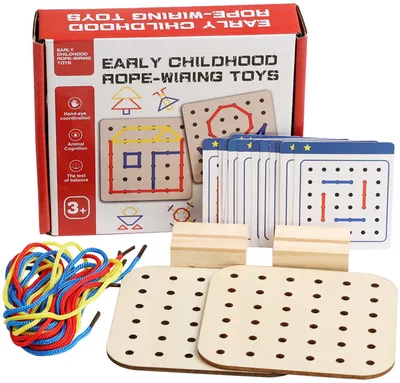
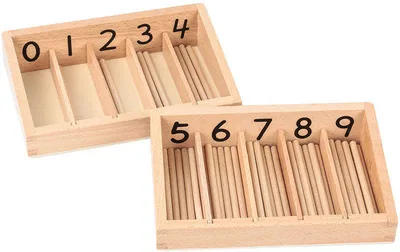
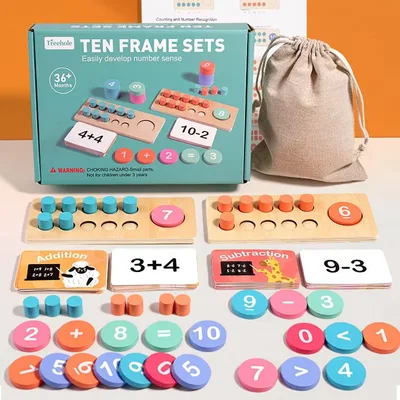
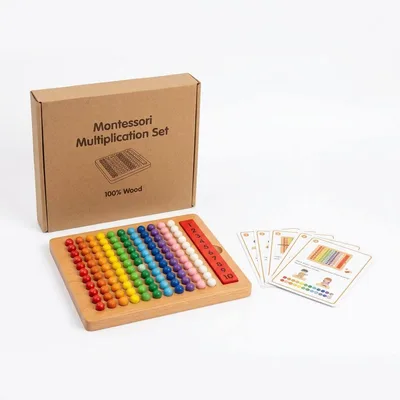
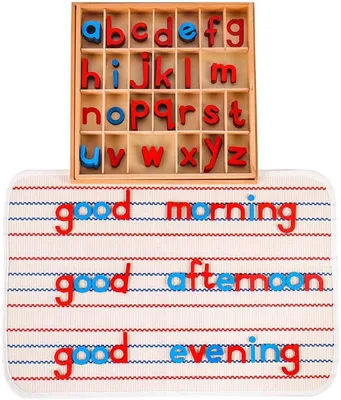
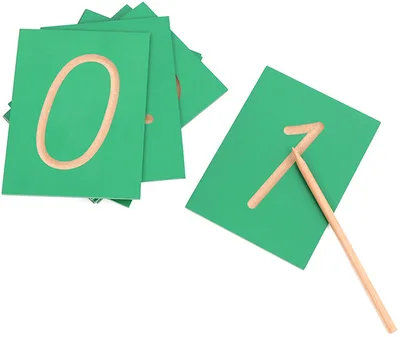
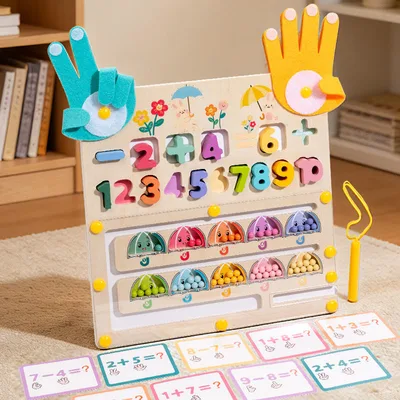
Educational wooden toys are bought against a curriculum or a shelf plan, so the specification is a component list before it is a design. Set composition, print accuracy and edge quality decide the order.
What buyers order in this category
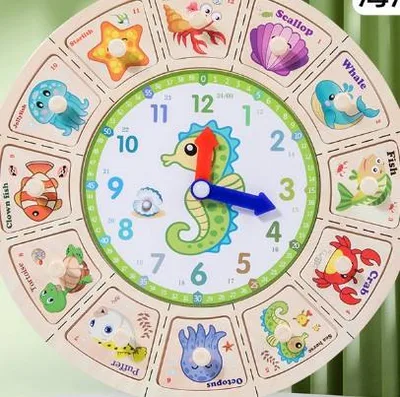
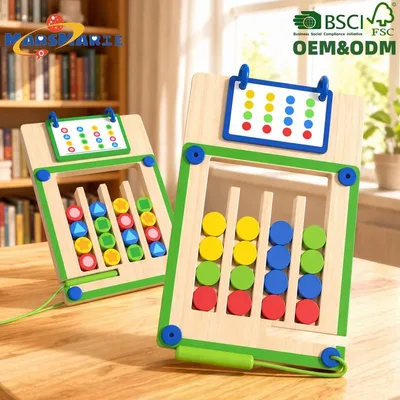
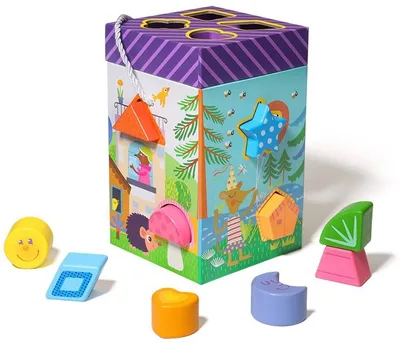
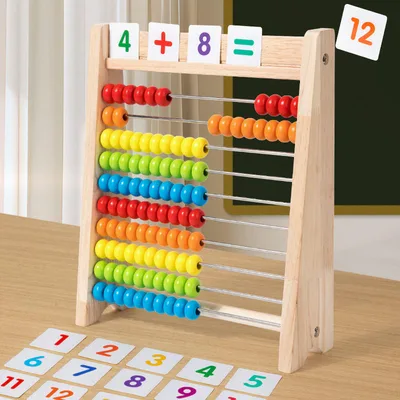
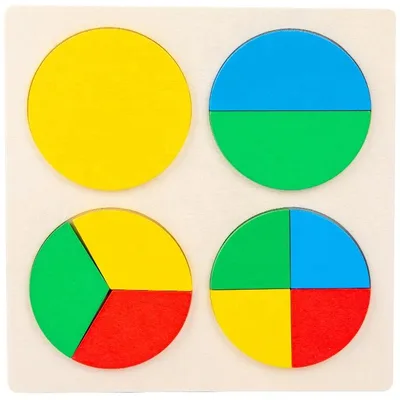
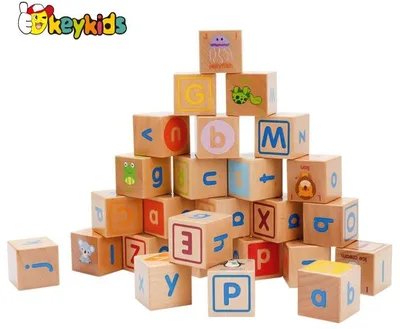
The range covers lacing beads, sorting trays, counting and number boards, alphabet boards, clock boards, fraction boards, shape sorters and tongs. Classroom buyers typically order 6, 12 or 24 units of one item; a retailer orders 8–12 styles; a curriculum buyer specifies component counts. Confirm per model.
Reorders are predictable: classrooms lose pieces, so ask whether components come as a spare-parts pack. A distributor buying 24 boards will reorder counters and teacher cards long before the boards.
Print and language are the variation point: a second language is a separate print run and a separate MOQ. supplier evaluation covers how to compare those answers across two suppliers.
How it is made and what to check
Boards are plywood or MDF, printed or laser-engraved; beads are turned; trays are glued from strips. On a sample, check registration across a batch rather than on one board: lay 20 boards in a row and look for the numeral that sits low. Check engraving depth with a fingertip, peg-to-hole fit across ten pieces, the glued tray divider, and whether a laser-cut MDF edge is sealed.
Classroom use is harder than retail use: boards are wiped, dropped and stacked. Ask how the print resists a wet wipe, and read the teacher card as a printed product, including who writes the text.
Under-36-month threading pieces must not fit the small-parts cylinder used in EN 71-1, cords must not form a loop, and tongs need a pinch point that does not trap skin.
MOQ, sampling and packing
MOQ tracks the set, the print and the card. A stock set commonly starts at 20–100 pcs; a custom print, teacher card or box pushes it to 300–1,000 pcs; new board or tray tooling typically starts at 1,000–3,000 pcs. A different language on the card is a new print.
Sampling runs to two rounds: board and finish first, then the filled set with card and packaging. Ask for a photograph of a filled set laid out, and count it against the component list; Sampling explains what a sample round should produce.
Packing is a counting problem. Each set needs a piece count, a colour split and an insert; classroom cartons are commonly 12 or 24 sets. Ask how the count is verified, manual or by weight, because a weighed set is where short packs come from.
How to compare two suppliers in this category
Give both sides the same component list, language and board size, then compare the filled set before the board. One trap to settle first: the commonest spec failure is a sample set assembled by hand from stock components while the bulk is picked from bins. Ask for the signed-off set to be sealed, photographed and initialled, then compare the bulk carton against it. Wooden toy supplier evaluation checklist (58 points) turns these checks into a reusable list.
- Component list and count — the list with quantities and a photo of a filled set; the count is the spec.
- Board substrate and edge — plywood or MDF, board thickness, and how a laser-cut edge is sealed.
- Print method and registration — print or engraving, and 20 boards from one batch to check alignment.
- Fitting tolerance — peg and hole diameters, checked across ten pieces rather than one.
- Teacher card — who writes and translates it, paper grade, and whether a language change is a new run.
- Counting method — manual or by weight, and whether the count appears on the packing list.